
Across Indian cities, a growing number of people are setting alarms for 5 am on weekends with an unusual motivation. They are not chasing personal bests or marathon medals alone. They are turning up for community runs that end with, or pause for, plates of kachori, servings of tiramisu, modak or ice cream. Run clubs have evolved from pure fitness groups into social experiences where food is both reward and attraction.
From Solemn Miles to Flavourful Detours
Traditional running culture in India often emphasised discipline, distance and early-morning seriousness. The newer wave of run clubs softens that image. Organisers deliberately design routes of five to seven kilometres that feel accessible to beginners. The focus is less on speed and more on participation. Food appears at different points: waiting at the finish line, served from a moving cart, or offered at cafe and bakery stops along the way.
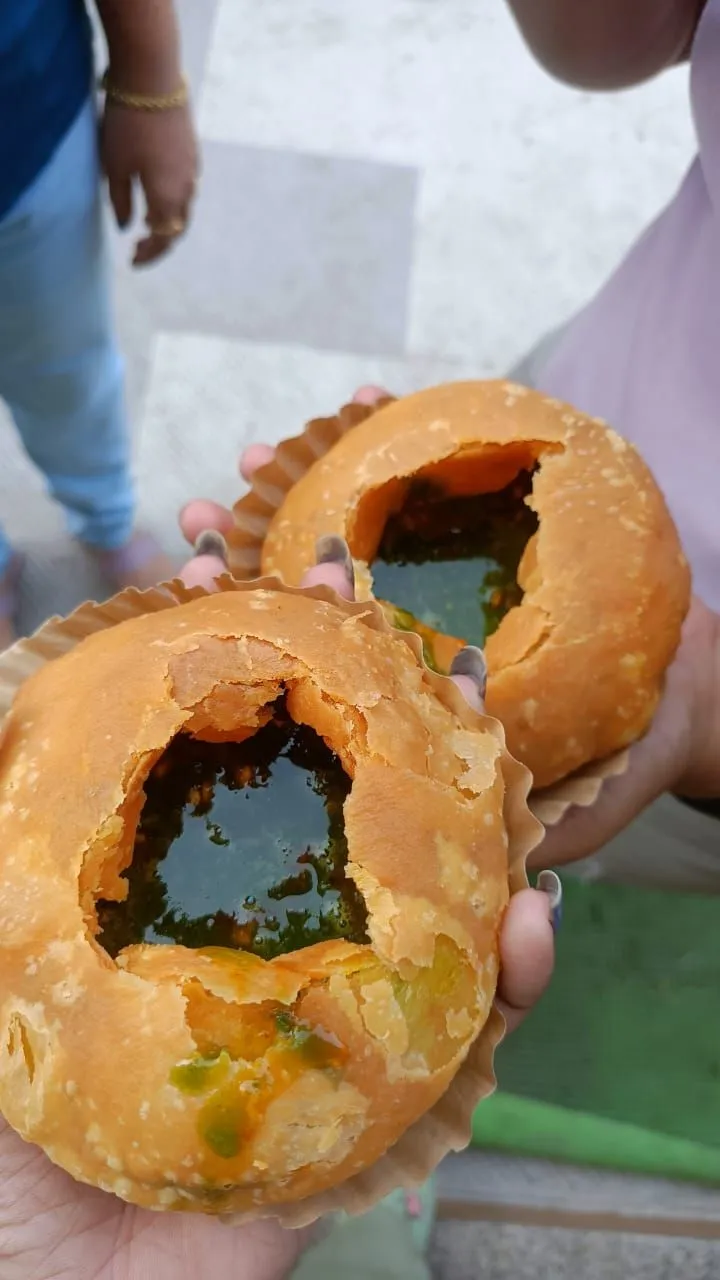
The Bikaner Run Club gained widespread attention with its kachori run. Participants completed their distance and then enjoyed the city’s famous fried snack, framing the morning as a cheerful “cheat day.” In Mumbai, the Hundred Mile Society adapted the idea with ukadiche modak, choosing a local sweet that felt light enough to eat during or after the run while remaining culturally rooted. Hyderabad groups have organised tiramisu runs and ice-cream runs, turning dessert into the destination. In Bengaluru, one club created a bakery-hopping format in which runners collect small portions and stamps at successive stops before ending with music and celebration.
Why Food Changes the Equation
The addition of food addresses a simple psychological barrier. Waking before sunrise solely for exercise can feel demanding. Pairing the effort with an immediate, enjoyable reward lowers resistance. Organisers note that the concept draws people who might otherwise hesitate to join a conventional run club. Small portion sizes are intentional so that participants can continue moving rather than treating the event as a full meal stop.
Food also creates shared moments. Standing together around a kachori stall or a tiramisu cart generates conversation more naturally than pure athletic focus. For many urban residents, especially those living away from family or long-time friends, these gatherings fill a social gap. The run becomes the structured activity that makes meeting new people easier and less awkward.
Local Flavour and Creative Formats
What makes the trend distinctive is its adaptation to place. Clubs lean into regional tastes rather than imposing a uniform experience. Kachori in Rajasthan, modak in Maharashtra and bakery trails in Bengaluru all reflect local food culture. This localisation increases authenticity and encourages repeat participation. Some events partner with neighbourhood cafes or dessert makers, giving small businesses visibility while giving runners a reason to explore new spots.
Formats remain flexible. Certain clubs keep the food strictly at the end. Others integrate light bites midway. A few add music, dance or themed elements to extend the social window after the run concludes. The common thread is that the experience is designed to feel festive rather than punitive.
The Broader Rise of Run Clubs as Social Spaces
Food-themed runs sit within a larger expansion of run clubs across Tier 1 and Tier 2 cities. These groups have become informal community hubs for young professionals and newcomers to cities. Beyond fitness, they offer routine, belonging and low-pressure social interaction. Social media amplifies the appeal: photographs of smiling runners holding kachoris or tiramisu travel quickly and attract new participants who might never have responded to a purely athletic invitation.
The non-competitive ethos is central. Many clubs explicitly welcome walkers, beginners and those returning to fitness after long gaps. The presence of food signals that the event prioritises enjoyment and inclusion over performance metrics. This approach has helped running shed some of its earlier image as an activity reserved for the already fit.
Balancing Indulgence and Health
Critics sometimes question whether pairing running with fried snacks or rich desserts undermines the health benefits. Organisers and participants generally respond that the portions are modest and the primary goal is consistency rather than caloric purity. The act of showing up regularly, moving the body and building social ties carries its own value. For people who previously struggled to maintain an exercise habit, the food incentive can be the difference between staying home and joining the group.
Medical voices familiar with community fitness note that reducing the mental resistance to starting is often the hardest step. Once people experience the combination of movement, fresh air and pleasant company, many continue even on non-food days.
What the Trend Reveals About Urban Life
The popularity of these runs reflects deeper patterns in contemporary Indian cities. Long work hours, digital saturation and geographic mobility have left many people seeking structured yet relaxed ways to connect. Early-morning run clubs offer a rare combination of physical activity, outdoor time and face-to-face interaction before the demands of the day begin. Adding regional food makes the ritual feel culturally familiar and emotionally rewarding.
The trend also shows how fitness culture is being reshaped by younger cohorts who value experience and community as much as individual achievement. Running is no longer only a solitary pursuit or a competitive arena. It has become a platform for creativity, local pride and social experimentation.
Looking Ahead
Food-themed runs are likely to continue evolving. New cities and neighbourhoods will invent their own versions, pairing distances with signature local snacks or seasonal sweets. Partnerships with cafes, bakeries and cloud kitchens may deepen. At the same time, core run clubs will keep offering simpler, non-themed sessions for those who prefer pure running.
The essential insight remains straightforward. When the barrier to entry is lowered and the reward feels immediate and joyful, more people choose to participate. In that sense, the kachori, the tiramisu and the modak are not distractions from fitness. They are invitations into it. For a growing number of Indians, the promise of a shared plate at sunrise has become a surprisingly effective reason to lace up and head out the door at 5 am.
Read more – leventescortq.com
