
The way people pay for everyday purchases has changed significantly with the growth of digital payments. Instead of carrying cash or a physical card everywhere, consumers can now use a smartphone, smartwatch, or other connected device to make payments through a digital wallet. At the same time, credit cards remain one of the most widely used payment methods for everyday purchases.
This raises an important question: digital wallets vs credit cards—which option is better for everyday spending?
There is no single answer for everyone. Digital wallets can offer convenience and can reduce the need to carry a physical card, while credit cards can provide access to a line of credit and may offer protections or benefits depending on the card and transaction. In some cases, these options are not even competing choices because a digital wallet can be used with a linked credit card.
Understanding how each payment method works can help consumers choose the option that fits their spending habits, security preferences, and financial goals.
What Is a Digital Wallet?
A digital wallet is a service that allows users to store or access payment credentials electronically and use a smartphone or other compatible device to make payments. Depending on the service, users may be able to connect a credit card, debit card, bank account, or another funding source.
Digital wallets can make everyday payments convenient because consumers do not necessarily need to carry a physical card. They can also be used for online purchases and, where supported, in physical stores.
It is important to understand that a digital wallet is not necessarily the same thing as a bank account. Some payment apps allow users to maintain a balance within the app, and the protections applied to that balance can differ depending on the provider and how the funds are held.
The CFPB warns that money stored in some nonbank payment apps may not receive the same federal deposit insurance protection as money held in an insured bank or credit union account.
What Is a Credit Card?
A credit card allows a consumer to make purchases using a line of credit provided by the card issuer. Instead of immediately withdrawing the purchase amount from a bank account, the transaction is generally added to the card balance.
The cardholder then receives a statement and can make payments according to the card’s terms. Interest may apply when a balance is carried, depending on the card agreement and the payment made.
Credit cards can be useful for everyday spending, but they require responsible management. Making purchases without considering how the balance will be repaid can lead to interest charges and growing debt.
The Federal Reserve’s recent consumer-payment data shows that credit cards remain a major payment method. Its 2025 household report found that 72% of adults surveyed had made a payment with a credit card during the previous month.
Digital Wallets vs Credit Cards: The Key Difference
The biggest difference is that a digital wallet is primarily a payment interface or storage mechanism, while a credit card is a credit product.
A digital wallet may contain a credit card and allow the user to make a purchase using that card without physically presenting it.
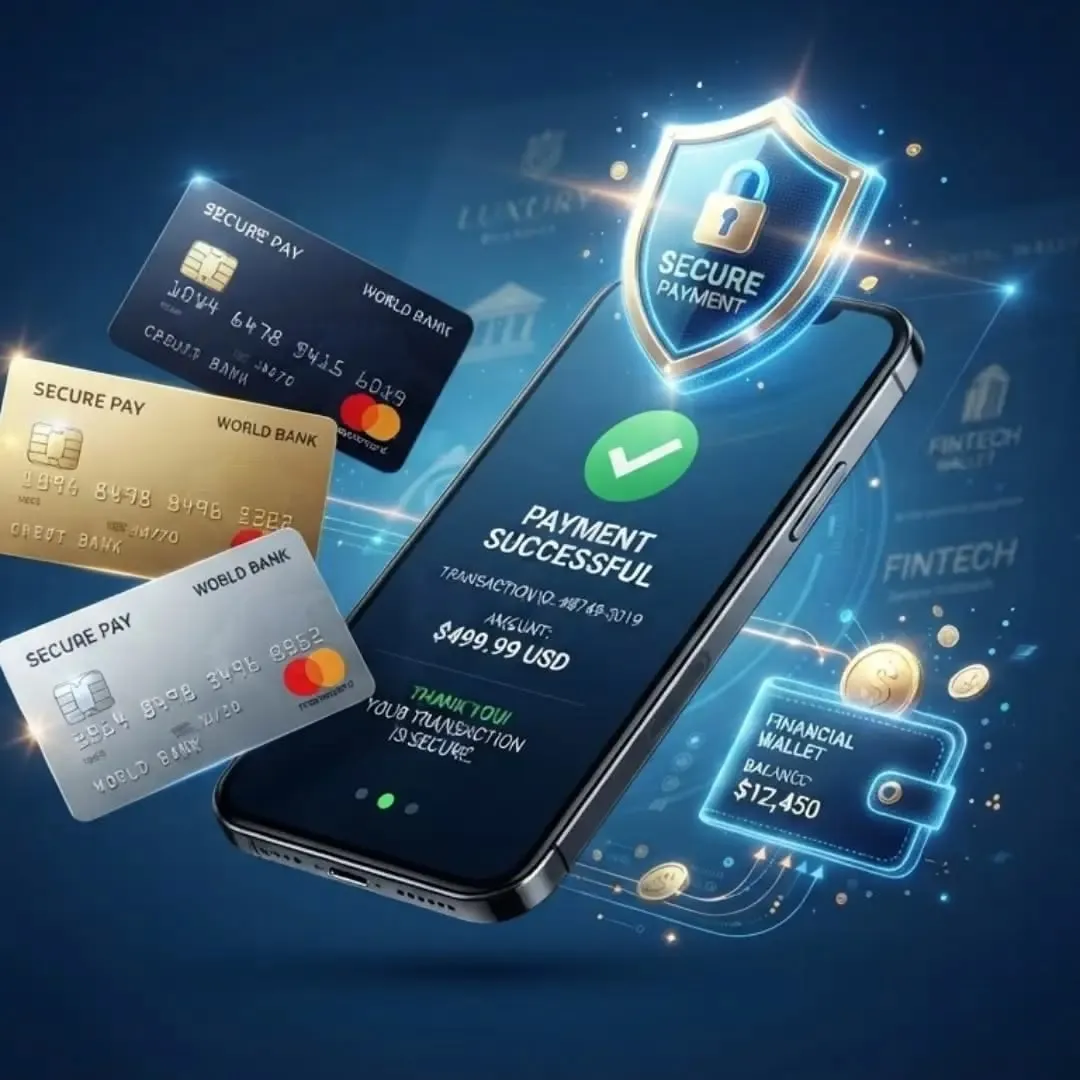
For example, a consumer could add a credit card to a smartphone wallet and then use the phone to make a contactless payment. In this situation, the digital wallet and credit card are working together rather than replacing one another.
This distinction is important when deciding which payment method is better for everyday spending.
Convenience: Digital Wallets Have an Advantage
For convenience, digital wallets can be particularly useful.
A smartphone is something many people already carry throughout the day. Having payment information available on the device can reduce the need to carry multiple physical cards.
Digital wallets can also make online checkout easier when payment details are already stored securely within the service.
For consumers who frequently use contactless payments or shop online, this convenience can make digital wallets an attractive everyday option.
However, convenience should not come at the expense of financial awareness. Consumers should still review transactions regularly and understand which card or account is being charged.
Spending Control: It Depends on How You Use Them
Neither digital wallets nor credit cards automatically make someone a better or worse spender.
A digital wallet can make payments extremely quick, which may be convenient but can also make it easy to lose track of small purchases. A credit card can similarly make spending feel less immediate because the money is borrowed rather than directly withdrawn from a bank account.
The most important factor is monitoring spending.
Setting a budget, reviewing transactions, and checking account or card balances regularly can help consumers maintain control regardless of the payment method.
If a digital wallet is linked to a credit card, consumers should remember that purchases made through the wallet can still contribute to the credit card balance.
Security and Fraud Considerations
Security is one of the most important factors when comparing digital wallets and credit cards.
Digital payment services can provide convenience and security features, but they can also attract fraud attempts. The FTC warns that scammers may use mobile payment apps to persuade people to send money directly to them.
Consumers should be particularly cautious when someone unexpectedly asks them to send money through a payment app or pressures them to act quickly.
Credit cards also require careful monitoring. The CFPB recommends checking account activity and contacting the card provider promptly when suspicious transactions appear.
Under U.S. federal rules, unauthorized credit card charges generally have strong consumer protections, although the specific circumstances matter. For example, the CFPB states that if only a credit card account number is stolen, the consumer generally isn’t responsible for unauthorized charges; if the physical card is lost or stolen, liability can be different.
Because protections can vary depending on the payment method and circumstances, consumers should understand the terms that apply to their particular service.
Rewards and Financial Benefits
Credit cards can provide benefits such as rewards, points, or other features depending on the specific card.
For someone who pays their credit card balance responsibly, these benefits may make credit cards attractive for everyday purchases.
However, rewards should not encourage unnecessary spending. Paying interest on a carried balance can outweigh the value of rewards, depending on the card’s terms and the balance involved.
Digital wallets may also support rewards or promotions, but their main advantage is generally the convenience of managing and making payments digitally. The benefits depend on the wallet, linked payment method, merchant, and applicable terms.
What About Credit Scores?
Using a digital wallet does not automatically mean that a consumer is building credit.
If a digital wallet is connected to a credit card, the underlying credit card account is what matters for credit-related activity. Simply using a digital wallet does not transform a debit or cash-based transaction into credit use.
Consumers interested in building or maintaining credit should therefore focus on responsible management of their actual credit accounts, including making payments on time and understanding their card’s terms.
Which Is Better for Everyday Spending?
The answer depends on what you value most.
A digital wallet may be better if you prioritize:
-
Quick and convenient payments
-
Carrying fewer physical cards
-
Smartphone-based transactions
-
Easy online checkout
-
Contactless payment options
A credit card may be better if you prioritize:
-
Access to a line of credit
-
Card-specific rewards or benefits
-
Building or maintaining credit responsibly
-
Credit-card consumer protections
-
Separating purchases from immediate bank-account withdrawals
For many consumers, the most practical solution may be using both. A credit card can serve as the underlying payment method while a digital wallet provides a convenient way to use that card.
How to Use Digital Wallets and Credit Cards Safely
Regardless of the payment method, a few basic habits can reduce financial risks.
First, regularly check your transactions for unfamiliar charges. The CFPB recommends monitoring accounts and reporting suspicious activity quickly.
Second, never share passwords, security codes, or sensitive financial information with someone who contacts you unexpectedly. Be cautious about links and QR codes received through suspicious messages.
Third, avoid sending money to people you do not know simply because someone creates a sense of urgency. Scammers commonly use pressure and unusual payment requests to manipulate consumers.
Finally, understand where your money is actually coming from. Before completing a transaction, check whether the payment will use a credit card, debit card, bank account, or stored balance.
Final Thoughts
The debate over digital wallets vs credit cards is not necessarily about choosing one and abandoning the other. In many situations, the two work together.
Digital wallets can make everyday payments faster and more convenient, while credit cards can provide access to credit and card-specific benefits and protections. However, both require responsible financial habits.
The best payment method is ultimately the one that fits your spending needs while helping you maintain control over your money. Review transactions regularly, understand the protections and terms associated with your payment method, and avoid spending more simply because digital payments make purchasing easier.
For everyday spending, convenience matters—but financial awareness and responsible money management matter even more.
Read more – wardrobeoops.com
