
The latest song from Nitesh Tiwari’s highly anticipated film Ramayana has become the centre of an intense online discussion, though not entirely for the reasons its creators might have expected. Titled Mangal Rang, the track, composed by AR Rahman and sung by Arijit Singh and Shreya Ghoshal, aims to celebrate the sacred union and love between Lord Rama and Sita. Instead of universal praise, it has drawn sharp criticism from a section of listeners who feel its musical style clashes with the traditional and cultural setting of the epic.
Released in late October 2026, the song quickly went viral. Many listeners immediately pointed out what they described as qawwali or Sufi influences in the composition. The chorus structure, the repeated use of the word “rang,” and certain instrumental elements reminded them of classic qawwali pieces and of Rahman’s own earlier work. Comparisons were frequently drawn with “Kun Faya Kun” from the film Rockstar and the traditional qawwali “Aaj Rang Hai.” Some also noted similarities with the Tamil song “Enna Solla Pogirai.”
Why the Musical Style Sparked Debate
For many critics, the core issue is cultural appropriateness. The Ramayana is rooted in the Valmiki tradition and is regarded by large sections of the audience as sacred history rather than ordinary cinema. Introducing a sound that feels closer to Sufi or qawwali traditions, they argue, lacks the cultural grounding expected for such a subject. Posts described the choice as “recycled templates” applied to a massive-budget mythological project, with some calling it a mismatch between the music and the epic’s setting.
Others questioned the decision to appoint AR Rahman as the music director in the first place. References were made to his previous work on period and historical films, with some listeners expressing dissatisfaction over what they saw as a pattern of incorporating Sufi or Urdu-influenced styles into stories they felt required a different musical approach. A few suggested that composers known for more classical or regionally rooted Indian music might have better suited the project’s tone.
The Song’s Intended Purpose and Positive Responses
The makers present Mangal Rang as an emotional celebration of Rama and Sita’s relationship and wedding. The combination of Arijit Singh’s and Shreya Ghoshal’s voices is widely acknowledged as strong, and the accompanying visuals of the grand wedding sequences have drawn appreciation from many viewers. The track has accumulated millions of views in a short time, showing that a significant portion of the audience is engaging with it positively on a melodic and visual level.
Not every reaction has been critical. Some listeners have defended the composition as a modern interpretation that still conveys devotion and romance. They argue that film music has always evolved and that fusion elements are common in large-scale cinematic retellings of traditional stories. The debate, therefore, is not entirely one-sided, though the volume of critical commentary has dominated early social media conversation.
Broader Context of Musical Expectations
This controversy highlights a recurring tension in Indian cinema when classic epics and historical narratives are adapted for the screen. Audiences often arrive with strong expectations about authenticity—particularly in music, language, costumes and rituals. When a composer known for innovative and cross-cultural work is brought on board, the resulting sound can please those open to experimentation while disappointing those who prefer stricter adherence to classical or regional traditions associated with the source material.
In the case of Mangal Rang, the use of the “rang” metaphor and the overall architecture of the song appear to have triggered associations that many listeners found jarring in the context of Rama and Sita’s wedding. Whether these associations are intentional artistic choices or unintentional overlaps with earlier compositions remains a matter of individual interpretation. What is clear is that the track has become a focal point for larger conversations about how sacred narratives should be presented in contemporary cinema.
The Film and Its Upcoming Release
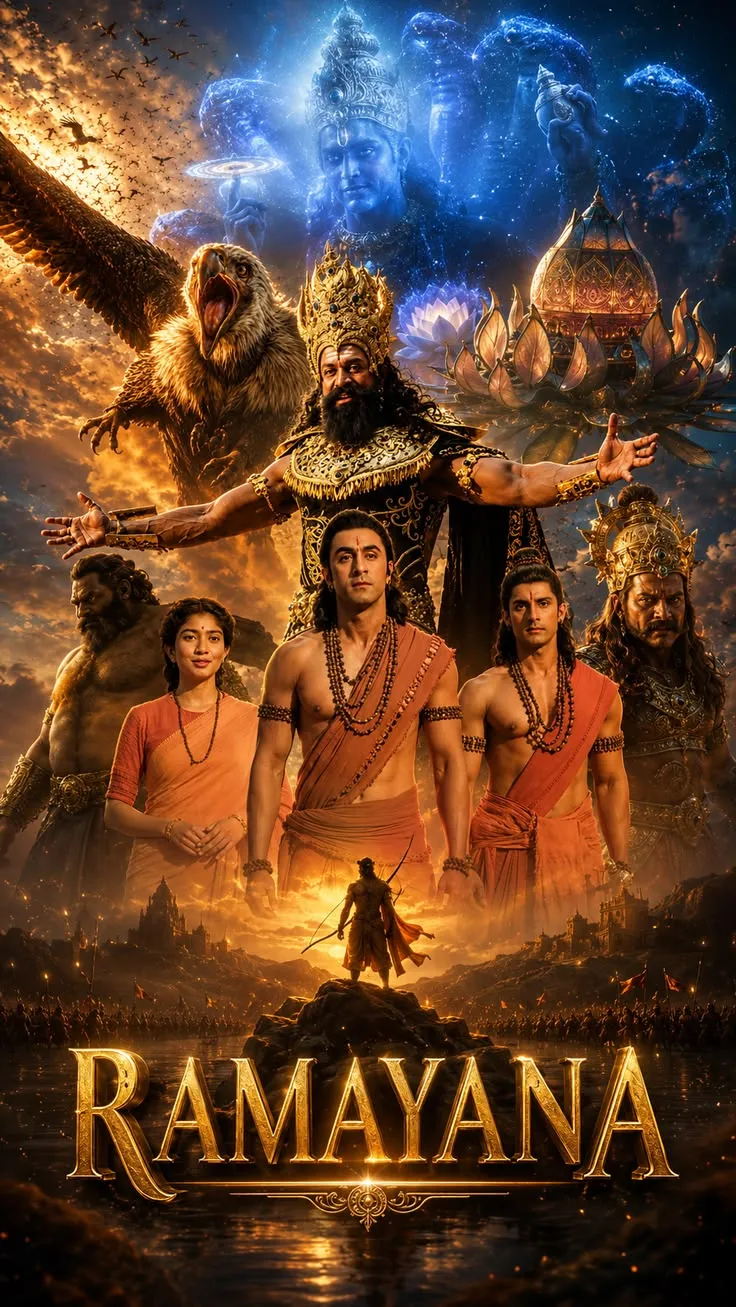
Directed by Nitesh Tiwari and produced by Namit Malhotra, Ramayana (also referred to as Ramayana: Rise of a Legend) features Ranbir Kapoor as Rama, Sai Pallavi as Sita, and Yash as Ravana, among other prominent actors. The film is scheduled for a theatrical release in early November 2026. Mangal Rang is one of the early promotional tracks released to build anticipation. Previous songs from the project have also drawn mixed responses, indicating that the soundtrack as a whole is under close public scrutiny.
The intensity of the reaction to Mangal Rang shows how closely audiences are watching every creative decision connected to this high-profile adaptation. Music, often one of the most emotionally direct elements of a film, has become an early battleground for discussions about cultural fidelity versus creative liberty.
Looking Beyond the Immediate Reaction
Online debates of this nature frequently cool with time, especially once the full film is available and viewers can experience the song within its complete narrative context. Some tracks that initially face criticism later find wider acceptance when seen as part of a larger musical and visual design. Others remain polarising. For now, Mangal Rang has succeeded in generating significant conversation—though much of it centres on whether its qawwali-tinged sound belongs in a cinematic retelling of the Ramayana.
AR Rahman’s composition has once again demonstrated his ability to provoke strong responses. Whether the song ultimately enhances the film’s emotional impact or continues to divide opinion will depend on how audiences respond when they encounter it on the big screen alongside the rest of the soundtrack and story. The current online outrage, however, has already established Mangal Rang as one of the most discussed film tracks of the season.
Read more – Hairstylespark.com
